

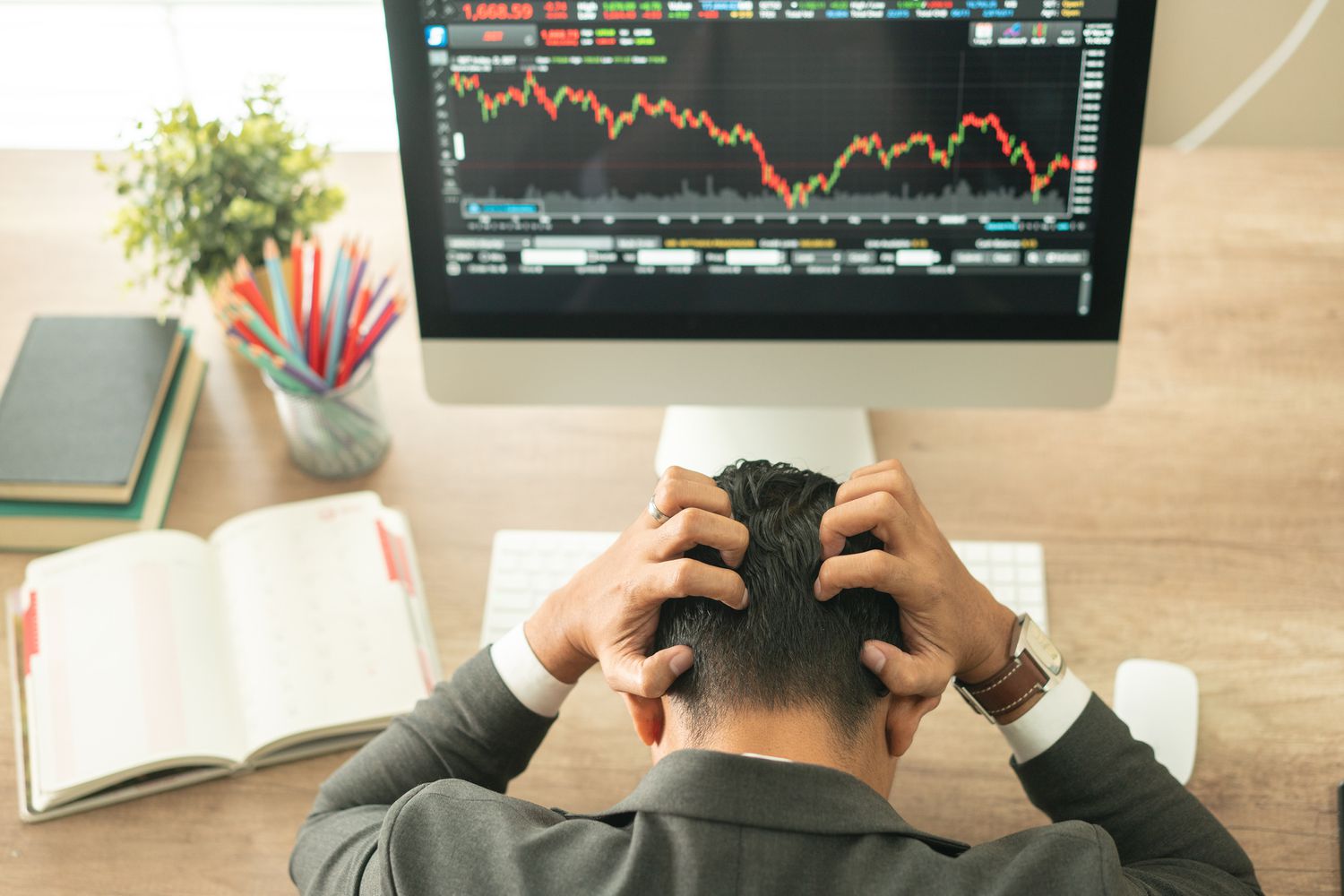
In the realm of financial markets, success is not determined by analytical skills or understanding the complex relationship between emotions and trading is a must for any investor. In this article we delve into the psychology of money, exploring how emotions affect a person.
- The emotional rollercoaster of trading
Trading is not just about buying and selling assets; it is an emotional rollercoaster ride. The rush of excitement of making a profitable trade can quickly turn into anxiety when Emotions such as fear, greed, hope, and regret play an important role in shaping crows.
- Fear and Greed: The Twin Emotions of Trading
Fear and greed are the two most influential emotions in trading. Fear of losing money may cause investors to exit trades prematurely or avoid them. On the other hand, greed can lead to taking too many risks, chasing high returns without considering the risks. Finding a balance between the two extremes is essential for maintaining a rational approach to trading.
- Overcoming emotional bias
Psychological biases can cloud judgments and hinder rational decision-making in trading. Confirmation bias, where investors seek information that confirms their existing beliefs, can lead to Likewise, the anchor bias that investors base on specific price points can prevent them from adjusting their strategies in response to changing market conditions. Recognizing and overcoming these biases is essential for making stable investment decisions.
- The role of discipline and patience
Discipline and patience are virtues that separate successful traders from the rest. Following a well-defined trading plan and sticking to predetermined rules can help alleviate temptation. Patience is also important, as impulsive actions driven by emotion often lead to consequences. By maintaining discipline and patience, traders can avoid falling prey to emotional impulses.
- Strategies for managing emotions
Managing emotions effectively is a skill that can be developed through practice and practice. Techniques such as mindfulness meditation can help traders stay grounded and focused, reducing the effects of symptoms. Setting realistic expectations and embracing uncertainty can also alleviate anxiety and fear, allowing traders to approach the markets with a clear mind and a rational mindset.
- Seeking professional advice
For traders struggling to manage their emotions, seeking guidance from an advisor A qualified consultant can provide objective insights and help develop strategies for Additionally, joining a community of like-minded traders can provide support and encouragement, creating a feeling of camaraderie in navigating the challenges of trading.
summarize
In the world of trading, emotions are both an entrepreneur’s greatest asset and their greatest liability. By understanding the psychology of money and learning to effectively manage your emotions. Remember, trading isn’t just about numbers and charts; it’s also about learning the language game.